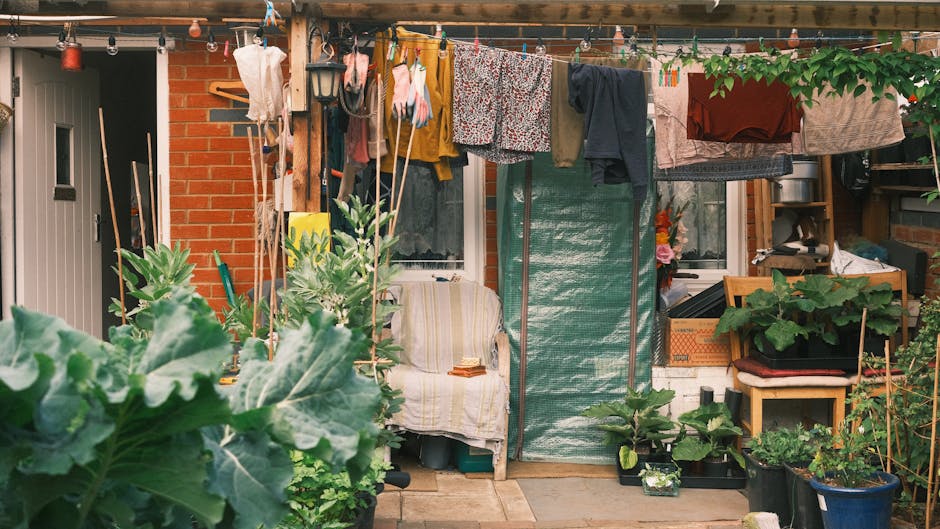
Gardeners in Catford SE6 for narrow terraced yards

If you live in a Catford terrace, you probably know the feeling: a garden that is technically "there", but awkwardly narrow, shaded in places, and somehow always a bit harder to manage than it looks from the back door. That is exactly where Gardeners in Catford SE6 for narrow terraced yards come into their own. The right approach can turn a tight, slightly stubborn outdoor space into something calm, usable, and genuinely enjoyable. Not a grand country garden. Just a smart one that fits real life.
In narrow terraced yards, every inch matters. A poor layout can make the space feel pinched and cluttered. A good one can make it feel longer, brighter, and easier to maintain with far less effort. This guide walks through what makes these gardens different, how professional help works, what results you can expect, and the practical choices that usually matter most in SE6. We will also cover common mistakes, a clear checklist, and the kind of small design decisions that make a big difference. Because, truth be told, tiny gardens can be brilliant if they are handled well.
- Why narrow terraced yards need a different approach
- How the service usually works
- Key benefits and practical advantages
- Who this is for and when it makes sense
- Step-by-step guidance
- Expert tips for better results
- Common mistakes to avoid
- Tools, resources and recommendations
- Law, compliance, standards and best practice
- Options, methods and comparison table
- Real-world example
- Practical checklist
- Conclusion
- Frequently asked questions
Why Gardeners in Catford SE6 for narrow terraced yards Matters
Narrow terraced yards are a very particular kind of garden. They are often long, enclosed, and overlooked by neighbours on both sides or at the rear. The soil may be compacted, drainage can be patchy, and some parts may get little sun while others feel exposed to wind. A general gardening approach can work, but it is rarely the best fit. The space needs planning, not just trimming.
In Catford SE6, many homes have modest outdoor spaces where storage, children's play, dining, and planting all need to share the same footprint. That creates a design puzzle. You want the yard to feel open without leaving it bare. You want greenery without constant maintenance. You want privacy, but you do not want to box the whole thing in. A good gardener understands how these trade-offs play out in a real London garden, not just on a mood board.
There is also the practical side. Narrow yards can become difficult to keep tidy if the paving is uneven, hedges are overgrown, or borders are too deep to reach comfortably. A professional can reduce that friction. They will spot the bottlenecks quickly: poor access, awkward corners, messy planting, or features that make the garden feel smaller than it is. Small garden, yes. Small problems? Not necessarily.
Expert summary: the best gardeners for narrow terraced yards do more than maintain plants. They improve movement, light, balance, and usability so the space feels better every day, not just on the day it was finished.
How Gardeners in Catford SE6 for narrow terraced yards Works
The process usually starts with a site visit or a clear conversation about what the space needs to do. Is the main priority low-maintenance upkeep? Do you want a full redesign? Are you dealing with overgrown shrubs, tired paving, or a yard that simply never looks quite right? That first conversation matters because narrow spaces need specific solutions, not generic ones.
From there, a gardener or landscaping specialist will normally assess the layout, the condition of the hard landscaping, the planting, the drainage, and the level of privacy. In a tight terraced yard, the details matter more than in a larger garden. A small change in path width or border depth can alter how the whole space feels. One metre can make or break the flow. Honestly, it really can.
Depending on the job, the work may involve routine maintenance, one-off clearance, redesigning planting beds, installing vertical features, repairing decking or paving, or creating a more structured layout. Some projects are light-touch and practical. Others are more ambitious, involving full landscape gardening. The right service depends on the condition of the yard and how much you want to change.
If you want to compare service types before deciding, a helpful starting point is the main services overview, which gives a broad sense of how different outdoor jobs fit together. For many homeowners, the smartest route is a staged one: clear the clutter first, improve access and structure second, then add planting and finishing details after the basic shape is right.
Key Benefits and Practical Advantages
There are some obvious benefits to hiring experienced help, but the less obvious ones are often the most valuable. The garden becomes easier to live with. That means less faff, fewer trip hazards, better use of storage, and less time spent wrestling with plants that have outgrown their space.
- Better use of space: narrow gardens feel more balanced when layouts are designed with circulation in mind.
- Improved light and openness: careful pruning, slimmer planting, and smarter hard landscaping can stop the yard feeling boxed in.
- Lower maintenance: the right plant choices reduce constant cutting back and replanting.
- More privacy: screens, trellis, and layered planting can soften overlooking without making the space claustrophobic.
- Safer access: tidy paths, level surfaces, and clear edges reduce day-to-day inconvenience.
- Stronger visual flow: the eye moves more naturally through the space when the design is simple and consistent.
There is also a quiet psychological benefit. A small back yard that feels tidy and intentional can change how you use the home. You may find yourself sitting outside more often, opening the doors more, or simply feeling less irritated every time you look out at the back. That sounds small. It is not small, though. Outdoor space does affect how a home feels.
For some homes, a low-maintenance maintenance plan is the real win. A regular garden maintenance visit can stop a narrow yard from slipping into the "too much to do, so nothing gets done" trap. For others, a one-off tidy-up and rethink is enough to reset the space.
Who This Is For and When It Makes Sense
This service makes sense for a few different kinds of Catford homeowners and tenants. Some people need help because the garden has become overgrown and awkward. Others know exactly what they want, but need a professional eye to make the most of a difficult footprint. And some simply do not have the time or energy to keep a narrow yard in shape.
You may be a good fit if:
- your terraced yard feels too cramped to use properly;
- plants, bins, bikes, or furniture are crowding the space;
- you want a cleaner look without a high-maintenance finish;
- the garden is dark, uneven, or poorly drained;
- you need privacy but do not want a heavy, walled-in feel;
- you are preparing the property for sale or letting and want it to look cared for;
- you have tried a few DIY fixes and they just have not quite worked.
There is no shame in that last one, by the way. Small gardens are surprisingly tricky. A plant that looks tidy in a pot can spread like it has a personal grievance once it gets established. And once a narrow yard starts to feel busy, it can be hard to unpick the mess without a plan.
If your main issue is overgrowth, awkward access, or general clutter, a targeted tidy-up may be enough. If the space needs more than that, you might need a broader redesign involving paving, planting structure, and possibly features such as screening or decking. If you are weighing up options, it can help to look at related services such as garden clearance for a reset or landscape gardening for a more considered redesign.
Step-by-Step Guidance
If you are approaching a narrow terraced yard for the first time, the best results usually come from working in a sensible order. Fancy finishes are lovely, but they only work once the basic structure is right.
- Measure the space properly. Note the width, length, access points, sunlight, drainage, and any fixed obstacles such as drains, steps, sheds, or external pipework.
- Decide what the garden must do. Do you want seating, planting, storage, play space, or all four? If everything is a priority, the design can quickly become muddled.
- Clear what is not working. Old pots, dead shrubs, broken edging, and tired furniture often make the yard feel smaller than it is.
- Sort the structure first. Paths, paving, borders, screens, and raised planters usually set the tone for everything else.
- Choose a planting style that suits the light. Shade-loving plants for darker areas, resilient choices for exposed spots, and restrained planting where access is tight.
- Keep lines simple. In a narrow garden, straight or gently layered lines often feel calmer than lots of sharp angles.
- Finish with details that support use. Lighting, storage, a tidy seating area, and easy-to-reach planting all help the space feel complete.
- Plan upkeep from day one. If a design needs constant trimming to stay neat, it may not be the right design for this kind of yard.
A quick example: a terraced yard with a long paved run and very narrow borders may look boring at first glance, but after removing the overgrown shrubs, narrowing the border in places, adding vertical planting, and installing a slim seating area, it can suddenly feel twice as long. Not larger, exactly. Just better proportioned. That is the trick.
For gardens where privacy is a concern, taller planting or screens can help without making the yard feel closed in. A useful inspiration point is the blog on tall potted plants that double as privacy screens, especially if you want natural screening in a compact footprint.
Expert Tips for Better Results
Here is where experience matters. The same yard can feel either cramped or calm depending on a few thoughtful decisions.
- Use repetition carefully. Repeating one or two materials or plant types creates calm. Too many different finishes make the space feel busier.
- Keep border depth modest. Deep beds eat into usable space and can become hard to maintain from the path side.
- Think vertically. Trellis, climbers, wall planters, and taller containers can lift the eye without using much floor space.
- Choose surfaces that feel clean and light. Pale paving, well-kept decking, or neatly edged gravel can help the yard feel brighter.
- Leave breathing room. Even a small empty patch can stop the space feeling overworked.
- Prune for shape, not just size. A narrow yard benefits from plants that are controlled and intentional rather than simply cut back hard.
- Use furniture sparingly. One good bench is better than a crowded collection of small items. Let's face it, the garden is not a storage unit.
If you are considering hard landscaping, do not forget that finish quality matters in a small garden. Uneven paving or sloppy edging stands out much more in a compact space. A skilled team can also help you choose between decking, paving, or a mix of both. For example, the decking services page is useful if you are weighing up a raised or level timber finish that can soften a narrow yard and create a better seating area.
One more practical thought: maintenance access is part of design. If a plant or feature is placed where nobody can reach it properly, it will become a problem later. It is better to admit that early than to discover it with a hedge trimmer in July. Which, admittedly, is how these things often go.
Common Mistakes to Avoid
Narrow terraced yards tend to fall into the same traps. Knowing them in advance can save time, money, and a fair bit of annoyance.
- Overplanting. Too many plants make a narrow garden feel congested, especially if they all spread at different rates.
- Using too many materials. A mix of several paving types, edging styles, and decorative finishes can make a small yard feel fragmented.
- Ignoring drainage. In a tight garden, poor drainage quickly becomes obvious after a heavy shower.
- Leaving awkward corners unresolved. These little dead spots are where weeds, clutter, and visual mess tend to gather.
- Choosing high-maintenance plants without a plan. Fast-growing climbers and shrubs can be useful, but only if you are ready to keep them in check.
- Blocking natural light. Oversized structures or dense planting can make the whole yard feel darker than it needs to be.
- Not thinking about future access. A layout that looks good on day one can become a headache if no one can move through it comfortably later.
One of the most common issues we see is the "everything at once" approach. A little seating, a few ornamental grasses, a big planter, a water feature, a shed, and a climbing frame. In a bigger garden, that can sometimes work. In a narrow terraced yard, it can feel like a badly packed suitcase. You do not need less ambition. You need clearer priorities.
Tools, Resources and Recommendations
The best outcome comes from the right mix of tools, materials, and planning. You do not need every gadget under the sun. In fact, the simpler the space, the more useful straightforward tools can be.
| Need | Useful approach | Why it helps in a narrow yard |
|---|---|---|
| Regular upkeep | Scheduled maintenance visits | Keeps the garden tidy without letting small issues build up |
| Overgrowth control | Selective pruning and hedge shaping | Improves light, access, and visual balance |
| Space reset | Clearance and waste removal | Creates a blanker canvas for better planning |
| Privacy | Screening plants, trellis, or structured borders | Softens overlooking without closing the yard in |
| Rebuilding layout | Design-led landscaping | Helps the whole garden work as one coherent space |
On the service side, it is worth understanding the difference between a one-off tidy and a more complete transformation. A tidy-up is about control. A redesign is about flow, layout, and long-term usability. The difference matters. A lot.
When comparing providers, look at whether they explain how they will handle access, material removal, drainage concerns, and maintenance after the work is done. Good practice usually shows up in the questions they ask you, not just the promises they make.
If a hedge is dominating the yard, the garden may benefit from targeted hedge trimming. If the grass area is narrow but still part of the design, lawn mowing may be enough to keep things sharp and manageable. For heavy pruning or awkward vertical growth, tree lopping and removal can be relevant, though that should always be approached carefully and professionally.
Law, Compliance, Standards and Best Practice
For most domestic garden work, the main concern is not paperwork for its own sake. It is safe, sensible, well-managed work. That said, there are a few things worth keeping in mind.
Waste from clearance or landscaping should be handled responsibly, and the team doing the work should be clear about disposal and recycling. Good practice also includes safe use of tools, proper handling of heavy materials, and careful work near boundaries, walls, drains, and shared access points. In a terraced setting, that last part matters more than people realise.
If any tree work is involved, a professional should be mindful of the condition of the tree and any implications of local rules or ownership boundaries. They should also know when a job is beyond simple pruning and needs a more cautious approach. Similarly, if structural work is planned, it is wise to confirm what is suitable for your property before anything is altered permanently.
It is also sensible to ask about insurance, health and safety, and what happens if unexpected issues are found during the job. A proper contractor should be able to explain their process in plain English. If they cannot, that is a small red flag. Not the end of the world, but definitely worth noticing.
You can review the company's published policies such as health and safety policy, insurance and safety information, and recycling and sustainability approach if you want a clearer sense of working standards and environmental handling. That sort of transparency is reassuring. It should be.
Options, Methods, or Comparison Table
There is no single right way to improve a narrow terraced yard. The best method depends on the current condition of the space, your budget, and how much time you want to spend on maintenance later. Here is a simple comparison to make the choices easier.
| Approach | Best for | Pros | Trade-offs |
|---|---|---|---|
| Routine maintenance | Gardens that are already usable but need regular care | Cost-effective, simple, keeps things looking neat | Does not solve deeper layout problems |
| Clearance and reset | Overgrown or cluttered yards | Quick visual improvement, easier to plan the next step | May reveal hidden issues needing follow-up work |
| Targeted improvements | Spaces with one or two main problem areas | Good balance of impact and cost, flexible | May leave some structural issues untouched |
| Full redesign | Yards that feel cramped, dated, or poorly laid out | Most effective for long-term change | More planning, more disruption, bigger budget commitment |
If you are unsure where to begin, targeted improvements are often the safest first step. They give you a better sense of the garden's real potential without forcing a full rebuild too early. A good team will not push you into more work than you need. In a small garden, restraint is often a virtue.
Case Study or Real-World Example
Consider a typical Catford terraced yard: long, narrow, a bit shaded, and dominated by tired paving, a few overgrown shrubs, and one awkward corner where old pots have slowly gathered like they pay rent. The owners wanted somewhere pleasant to sit in the evening, but they also needed easy access for general use and minimal weekend maintenance.
The first step was clearance. Dead growth and broken items were removed, and the layout was stripped back to the essentials. Next came a rethink of the planting. Instead of deep borders that swallowed the width of the garden, the design used slimmer beds and a more vertical planting style. A simple seating area was kept close to the house, while the far end was made lighter and cleaner to stop the space feeling heavy at the back.
The real change was not dramatic in a flashy sense. It was more subtle. The garden felt easier to walk through, easier to look at, and easier to use on a wet Tuesday as well as a sunny Saturday. That matters. A lot of garden projects look good on completion day and then slowly stop working in real life. This one did the opposite. It became more useful the longer it was lived with.
That is often the aim in SE6: not perfection, just a garden that behaves better.
Practical Checklist
Use this checklist before you book work or start planning improvements. It keeps the project grounded.
- Measure the yard accurately.
- Note where the sun reaches and where shade lingers.
- List the main problems: clutter, privacy, drainage, overgrowth, or layout.
- Decide what the space must do day to day.
- Choose whether you need maintenance, clearance, or redesign.
- Check access for tools, waste removal, and materials.
- Think about how much upkeep you can realistically manage.
- Ask about insurance, safety, and disposal before work begins.
- Keep materials and planting choices simple unless there is a strong reason not to.
- Plan for the long term, not just the first tidy finish.
If you can tick most of those boxes, you are already ahead of the game.
Get a free quote today and see how much you can save.
Conclusion
Gardeners in Catford SE6 for narrow terraced yards bring something very practical to the table: the ability to make small outdoor spaces work properly. That means clearer layouts, better plant choices, smarter use of light, and a garden that feels easier to live with. In a compact London yard, those details are everything.
Whether you need clearance, ongoing maintenance, privacy screening, or a more complete redesign, the best results usually come from starting with the basics and building carefully from there. Small garden. Big difference. That is the promise, really.
And once the space starts to work, you notice it every time you open the back door. A little calmer. A little neater. A little more yours.
Frequently Asked Questions
What makes narrow terraced yards different from other gardens?
They usually have limited width, restricted access, and a layout that can feel enclosed very quickly. That means planting, paving, and furniture all need to be chosen with space efficiency in mind.
Do I need a full redesign, or is maintenance enough?
If the garden is basically usable but untidy, maintenance may be enough. If the space feels cramped, awkward, or poorly laid out, a redesign or targeted improvements may give you a much better result.
Can a small terraced yard still feel private?
Yes. Privacy can often be improved with trellis, careful planting, taller pots, or structural screening. The trick is to add privacy without blocking light or making the garden feel boxed in.
What are the best plants for a narrow London yard?
The best plants depend on light, exposure, and soil conditions. In many yards, compact shrubs, climbers, and disciplined border planting work well because they add greenery without taking over the floor space.
How often should a narrow yard be maintained?
That depends on the planting and how much use the space gets. Some gardens only need seasonal attention, while others benefit from regular visits to stay tidy and balanced.
Is decking a good idea in a narrow terraced garden?
It can be, especially where you want a clear seating area or a softer surface than paving. The key is making sure it suits the proportions of the space and does not dominate the yard.
What should I do with a cluttered or overgrown yard first?
Start with clearance. Removing dead growth, broken items, and visual clutter makes it much easier to judge the space properly and plan the next step.
How do I stop the garden from looking too busy?
Use fewer materials, repeat key colours or finishes, and avoid cramming in too many features. Simplicity usually works better than variety in a compact garden.
Can gardeners help with drainage problems?
They can often identify visible issues and recommend practical improvements such as regrading, better surfacing, or design changes that reduce standing water. Serious drainage problems may need a more specialist assessment.
Do I need permission for garden work in a terraced property?
Most routine garden maintenance does not require permission, but bigger changes, boundary issues, tree work, or structural alterations may need more careful checking. It is always wise to confirm before starting major work.
How do I choose the right gardener in Catford SE6?
Look for someone who understands small spaces, explains their process clearly, and asks sensible questions about access, maintenance, and your priorities. A good fit is usually obvious early on.
What is the biggest mistake people make with narrow yards?
Trying to do too much at once. In a small space, every extra feature has a cost in clutter, maintenance, or reduced flow. The best gardens usually feel simpler than you expected, and better for it.
Can I improve my yard in stages?
Absolutely. In many cases, that is the smartest way to do it. Start with clearance or maintenance, then improve the layout, then add planting and finishing touches once the space is easier to manage.
For more about the team, process, and approach, you can also visit the about us page or check current pricing and quotes information when you are ready to plan the next step.