Gardening Catford: Recycling and Sustainability
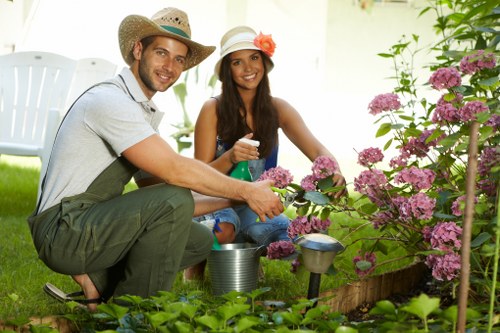 At Gardening Catford we place recycling and sustainability at the heart of every green space we manage. Our approach to creating an eco-friendly waste disposal area and a practical, sustainable rubbish gardening area combines locally informed waste separation, partnership working and low-carbon operations. We aim to show how small changes at the site level deliver measurable environmental benefits across the borough and in surrounding communities.
Our process works alongside the borough's waste policies: many London boroughs now emphasise separate collections for garden waste, food waste and dry recycling streams. We reflect that by segregating green materials for composting, routing food scraps to community anaerobic digestion partners and ensuring paper, glass and cans are prepared for the recycling chain. Practical separation on site reduces contamination and increases the usable recycled material recovered from each job.
 We are explicit about targets: Gardening Catford has set a breaking goal of a 70% recycling rate across our garden and household waste streams within our contracted operations. This recycling percentage target focusses on diverting material from landfill, increasing compost production for re-use and minimising residual rubbish. Tracking and reporting against this target forms part of our sustainability governance.
Local infrastructure and transfer stations
We coordinate closely with the network of local transfer stations and municipal facilities that serve South East London. Where possible we use borough-run transfer stations and licensed private facilities to ensure that garden cuttings, wood, soil and inert materials are handled in accordance with environmental controls. Using authorised transfer points helps ensure material follows the correct recycling pathways rather than defaulting to landfill.
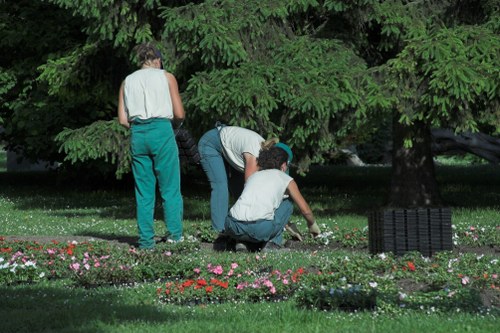 Partnerships are central to the way we handle materials: we work with community projects, social enterprises and local charities to redistribute usable items and organic outputs. Examples include donating surplus plants and healthy potted material to community gardens, offering usable tools to community groups, and supplying municipal compost hubs with screened green waste. These collaborative links extend the useful life of materials and strengthen local circular economy activity.
Our partner map includes a variety of stakeholders: community horticulture groups, charity reuse centres, and licensed composting contractors. We formalise these connections with service agreements to ensure traceable, audited flows of material and to measure the impact of those partnerships in terms of tonnes diverted and community benefit.
Operations, low-carbon logistics and waste separation
To reduce the carbon footprint of our gardening waste services we deploy a low-carbon van fleet where practicable, including electric vehicles for short urban runs and Euro 6 hybrids for heavier loads. Route optimisation software supports fewer miles and reduced idling. Combined with on-site waste minimisation and segregation, this approach reduces both transport emissions and the overall environmental impact of our operations.
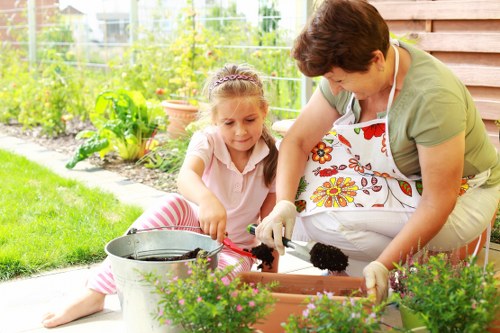 Working in tandem with the boroughs' approaches to waste separation, we ask crews to separate materials into clearly labelled containers: garden organics, soil and aggregates, wood, recyclable containers and non-recyclable residues. This mirrors the local authority separation model and improves the quality of each recycling stream. Where the council collects a kerbside garden service, we co-ordinate our pick-ups to complement municipal schedules and avoid duplication.
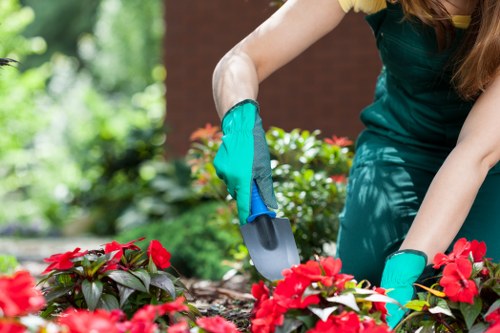 Our sustainable rubbish gardening area strategy also includes on-site practices such as mulching, chipping larger cuttings for reuse as pathways or mulch, and on-site composting for suitable material. These measures reduce the volume of material needing removal and create useful outputs for new planting and soil improvement, closing the loop between waste and resource.
What you can expect from Gardening Catford:
- Clear segregation of green waste, recyclable containers and non-recyclable residues at every site;
- Use of authorised transfer stations and approved composting/processing partners;
- Active partnerships with local charities and community groups to redistribute usable materials and support circular reuse;
- Investment in low-carbon vans and operational efficiencies to lower emissions from collections;
- A public target of a 70% recycling rate across our managed waste streams, with regular internal reporting.
Gardening Catford is committed to continuous improvement. We review waste flows, partnership outcomes and fleet emissions annually and update our operational practices to align with the latest municipal policies and scientific guidance. Our ambition is to deliver a green, efficient and socially beneficial model for garden waste handling that supports the wider goals of the borough and the communities we serve.
By choosing a service that prioritises an eco-friendly waste disposal area and a well-managed sustainable rubbish gardening area, clients benefit from reduced landfill, better recycled material quality and positive local social outcomes. We back our commitments with measurable targets, licensed transfer pathways and collaborative partnerships so sustainability is not just a policy term but a practical outcome on the ground.