Top gardeners for Victorian terraces on Rushey Green SE6
Victorian terraces have a charm all their own, but the gardens behind them can be a bit of a puzzle. Narrow access, awkward lengths, tired soil, old boundary walls, and half a dozen competing priorities can turn a small outdoor space into a proper project. If you are looking for top gardeners for Victorian terraces on Rushey Green SE6, you are probably after more than a mow-and-go service. You want someone who understands how to work with the shape, age, and practical demands of these homes in a way that feels tidy, lasting, and sensible.
This guide breaks down what to look for, how the process works, which services matter most, and how to avoid the usual mistakes. It is written for homeowners who want a garden that looks cared for without becoming high-maintenance. Truth be told, that balance is what most people are chasing.
Whether your terrace garden needs a full reset, regular upkeep, or just a thoughtful seasonal plan, the right gardener can make a surprising difference. And yes, the difference is often visible by the time you step out with your first cup of tea in the morning.
Table of Contents
- Why Top gardeners for Victorian terraces on Rushey Green SE6 Matters
- How Top gardeners for Victorian terraces on Rushey Green SE6 Works
- Key Benefits and Practical Advantages
- Who This Is For and When It Makes Sense
- Step-by-Step Guidance
- Expert Tips for Better Results
- Common Mistakes to Avoid
- Tools, Resources and Recommendations
- Law, Compliance, Standards, or Best Practice
- Options, Methods, or Comparison Table
- Case Study or Real-World Example
- Practical Checklist
- Conclusion
- Frequently Asked Questions
Why Top gardeners for Victorian terraces on Rushey Green SE6 Matters
Victorian terraces often come with gardens that are compact, elongated, shaded by surrounding buildings, and shaped by layers of old use. That matters because not every gardener knows how to handle those conditions well. A terrace garden is not just a smaller version of a suburban lawn. It usually needs sharper planning, better edging, smarter planting, and a more disciplined maintenance routine.
On Rushey Green SE6, where homes can have distinctive back-garden layouts and shared access challenges, a skilled gardener can save you time, frustration, and repeated patch-up jobs. They will notice drainage issues, poor light, soil compaction, and the way boundary walls affect growth. They will also understand when a garden is being overworked, which happens more often than people think.
Let's face it, a lot of terrace gardens end up with too many mismatched plants, not enough structure, and maintenance that gets harder every month. The right gardener helps turn that around. Sometimes it is a quiet improvement, not dramatic. But by late spring, when the borders are holding shape and the hard edges look crisp, you will feel it immediately.
Expert summary: The best gardeners for Victorian terraces combine practical maintenance skills with a clear eye for structure, seasonal planting, and space-saving design. For compact London gardens, that mix matters just as much as plant knowledge.
How Top gardeners for Victorian terraces on Rushey Green SE6 Works
The process usually starts with an assessment of the garden as it actually is, not how you wish it looked after one sunny weekend. A good gardener will look at access, light levels, soil condition, drainage, existing planting, hard landscaping, and how often the space can realistically be maintained.
From there, the work tends to fall into a few common stages:
- Initial review: checking the current state of beds, paving, lawns, fences, and overgrowth.
- Priority setting: deciding what needs to be done first for safety, access, and overall appearance.
- Clearance and shaping: cutting back, removing dead material, and making the space manageable again.
- Planting or repair: replacing tired plants, refreshing borders, or fixing structural weak points.
- Maintenance plan: setting a schedule for mowing, pruning, feeding, weeding, and seasonal checks.
That may sound straightforward, and often it is. But the real value comes from judgement. For example, a shady narrow garden might look like it needs more flowers, when actually it needs better foliage structure and fewer plants that struggle in low light. Small call, big difference.
Many gardeners working on terrace properties will also advise on waste removal, access for tools, and how to protect paving or brickwork during heavier jobs. If you want a broader view of what can be included, it helps to review the full range of garden services before you book.
Key Benefits and Practical Advantages
The obvious benefit is a better-looking garden. But for Victorian terraces, the real value goes deeper than appearance. A well-managed garden becomes easier to live with, easier to clean, and more pleasant to use all year round.
- Better use of space: terrace gardens often need vertical planting, layered borders, and neat circulation routes.
- Improved kerb appeal: even though the garden sits behind the house, the overall property feels more cared for.
- Less ongoing stress: regular maintenance prevents the "it's got out of hand again" cycle.
- Healthier plants: the right pruning and feeding regime helps plants cope with urban conditions.
- Cleaner boundaries: walls, fences, and edges stay tidier and last longer when looked after properly.
- Safer outdoor areas: trips, slippery patches, and hidden debris are dealt with before they become a nuisance.
There is also a quieter benefit: confidence. When a garden is under control, you stop seeing it as a problem that needs addressing every weekend. That alone is worth a lot, especially if you work long hours or have family life constantly in motion.
If you are still comparing options, it can help to look at how a provider communicates about planning, pricing, and quote clarity. Transparent information on pricing and quotes is often a good sign that the service is well organised.
Who This Is For and When It Makes Sense
This kind of gardening support makes sense for a wide range of people, but especially for homeowners with busy lives and older terrace gardens that have drifted into a bit of a mess. You do not need to wait until the whole space has collapsed into brambles. In fact, earlier is much better.
It is a strong fit if you:
- own a Victorian terrace with a narrow or long back garden
- want reliable upkeep rather than one-off tidy-ups only
- have patchy borders, tired shrubs, or uneven paving
- need help making the space look smarter for family use or entertaining
- struggle with weeds, moss, or fast-growing plants
- are moving in, renovating, or preparing to sell
It also makes sense if you simply do not want to spend your Saturdays wrestling with hedge trimmers and green waste bags. There is no shame in that. Frankly, most people have better things to do.
For people who value trust and straightforward service, it is worth checking the company background too. A clear about us page can tell you how the team works and what kind of standards they keep.
Step-by-Step Guidance
If you are hiring for a Victorian terrace garden on Rushey Green SE6, a sensible process tends to look like this:
- Walk the garden slowly. Note the light, shade, problem corners, drainage spots, and anything that is visibly failing.
- List your priorities. Do you want maintenance, redesign, clearance, or a mix of all three?
- Ask for a realistic plan. Good gardeners should explain what can be done in one visit and what needs staging over time.
- Discuss access. Terraces often have tight side paths, rear access issues, or awkward tool movement.
- Agree the finish level. Neat and functional? Or polished and decorative? The two are not always the same.
- Set the follow-up rhythm. Weekly, fortnightly, monthly, or seasonal. A garden without a rhythm tends to slide backwards. Quickly.
A useful tip: if you are not sure what you need, start with a one-off clean-up and assessment. That gives you a practical baseline. After one visit, you can usually tell whether the garden needs ongoing support, a redesign, or just steady maintenance.
For many households, the best route is to pair maintenance with occasional restorative work. That way the garden does not rely on big rescue jobs every year. It is calmer, and oddly enough, cheaper in the long run.
Expert Tips for Better Results
There are a few things experienced gardeners tend to notice straight away in Victorian terrace gardens. These are the details that separate decent results from genuinely good ones.
- Think vertically. Where floor space is limited, walls, trellises, climbers, and tall planting can add depth without clutter.
- Use structure first. Evergreens, clipped forms, and defined edges make a small garden feel intentional.
- Keep access clear. Tight spaces can become awkward fast if tools, pots, and prunings are left in the way.
- Choose plants for the site, not the catalogue photo. A plant that looks great in full sun may sulk in a shaded terrace garden.
- Plan for seasonal change. Winter structure matters just as much as summer colour.
One practical observation from real gardens: the jobs that make the biggest visual difference are often the least glamorous ones. Clean edges, restored paths, weed control, and balanced pruning can transform a garden before any new planting goes in. Slightly dull, yes. Effective? Absolutely.
If sustainability matters to you, it is worth asking how prunings, soil, and garden waste are handled. Responsible disposal and greener working methods are often discussed on recycling and sustainability, which can help set expectations from the start.
Common Mistakes to Avoid
Victorian terrace gardens are easy to overcomplicate. A few common mistakes keep showing up, and they are usually avoidable.
- Choosing plants without checking light levels. Shade tolerance matters a lot in urban terraces.
- Letting hard landscaping get ignored. Slippery paving and crumbling edges can drag the whole garden down.
- Overcrowding borders. A packed border may look full at first, then becomes a maintenance headache.
- Skipping a maintenance schedule. Without regular visits, even a good garden can become unruly surprisingly fast.
- Assuming all gardeners handle terrace layouts well. Some do. Some, well, not so much.
- Expecting instant perfection. A neglected terrace garden usually improves in stages, not all at once.
Another mistake is not asking about insurance or safety practices, especially if heavy cutting, ladders, tools, or powered equipment are involved. That is not overcautious. It is sensible.
Reputable providers usually explain how they protect property and manage risk. It is worth reviewing their insurance and safety information before any work begins.
Tools, Resources and Recommendations
Good results do not come from tools alone, but the right tools do matter. For terrace gardens, practical kit usually includes hand pruners, loppers, shears, a reliable mower if there is lawn space, a fork, a spade, edging tools, and lightweight equipment suited to tight access. In some gardens, a compact wheelbarrow or bags for manual carrying make life much easier.
For you as the property owner, the most useful resources are not flashy. They are simple and useful:
- a basic garden plan or wish list
- photos showing how the space looked in different seasons
- a note of what has failed before, such as plants that struggled or puddling areas
- a clear idea of how often you want the garden maintained
If you are looking for a service that can handle both maintenance and larger tidy-up work, the broader services overview is a practical place to start. It helps you match the job to the right kind of support, rather than guessing.
And if you need to speak to someone directly about your garden, site access, or a specific terrace layout, the simplest route is to use the contact page and describe the space plainly. A few honest details are better than a long, vague wish list. Saves everyone time.
Law, Compliance, Standards, or Best Practice
For most residential garden work, the main concerns are not complicated legal issues, but sensible best practice. That said, there are a few things worth keeping in mind.
First, any contractor working with powered tools, ladders, or waste should follow safe working practices and carry appropriate insurance. Second, if work affects shared access, boundary lines, or neighbouring properties, communication matters. Victorian terraces can be close together, and a little courtesy goes a long way.
There may also be practical considerations around waste handling and disposal. Garden waste should be managed responsibly, and heavier jobs should be planned with safety in mind. If a provider clearly explains its approach to worksite safety, that is a positive sign. You can usually get a feel for this by reading policies such as health and safety policy details and related service information.
Best practice also includes:
- protecting paving, walls, and nearby features during work
- agreeing the scope before the job starts
- being clear about what waste will be removed
- using suitable methods for fragile or mature plants
- working within the limits of the site rather than forcing a one-size-fits-all approach
That last point is bigger than it sounds. The best gardeners do not try to "flatten" every garden into the same pattern. They adapt. That is the whole game, really.
Options, Methods, or Comparison Table
When choosing help for a Victorian terrace garden, the main decision is usually between ongoing maintenance, one-off clearance, and design-led improvement. Each has its place.
| Option | Best for | Typical strengths | Limitations |
|---|---|---|---|
| Regular maintenance | Busy homeowners who want the garden kept in shape | Consistency, tidy appearance, fewer major problems | May not solve deeper layout or planting issues alone |
| One-off clearance | Overgrown gardens or post-tenancy tidy-ups | Fast visual improvement, restores control | Needs follow-up to stay that way |
| Redesign or reset | Gardens that feel awkward, tired, or poorly arranged | Improves structure, usability, and planting balance | Takes more planning and usually a larger budget |
| Seasonal visits | Gardens needing lighter but timely care | Flexible, cost-conscious, responsive to seasons | May not be enough for fast-growing or high-maintenance spaces |
If you are unsure which route is best, a seasonal visit can be a good bridge. It is less intense than full weekly maintenance, but more effective than hoping for the best. And hoping is not a plan, unfortunately.
Case Study or Real-World Example
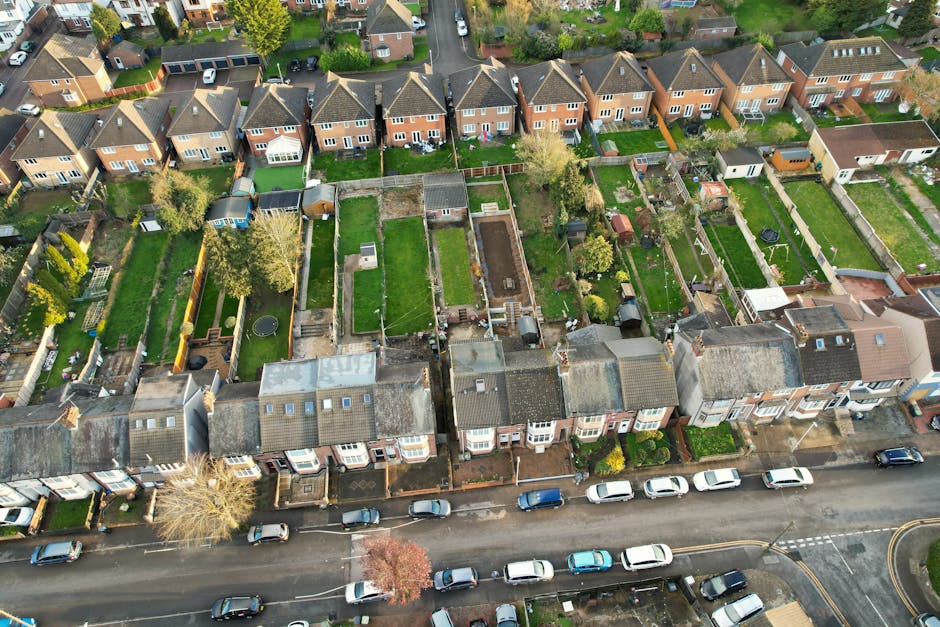
Consider a typical Victorian terrace garden on Rushey Green SE6: a long narrow plot with patchy lawn, weeds along the fence line, a few tired shrubs, and paving that had become slippery in shaded spots. The homeowner wanted the space to feel calmer and easier to use, but did not want a dramatic redesign.
The first visit focused on clearance and structure. Old growth was cut back, the edges were redefined, and the worst of the weeds were removed. The next stage dealt with the planting balance. A few overgrown shrubs were reduced, some weak plants were replaced, and the borders were opened up so light could reach more of the garden.
After that, the maintenance schedule became the real turning point. Nothing fancy. Just steady work: cutting, tidying, checking drainage, keeping paths clean, and adjusting the planting through the season. The garden stopped fighting itself. By early summer, it looked bigger, which is funny because it was the same size all along.
That is a common outcome in terrace gardens. The most effective changes are often the ones that improve flow, proportion, and routine. You do not always need more stuff. Sometimes you just need the right sort of attention.
Practical Checklist
Use this checklist before hiring or booking a gardener for a Victorian terrace garden:
- Have you described the garden layout clearly, including access issues?
- Do you know whether you need maintenance, clearance, redesign, or a mix?
- Have you asked how the gardener handles shade, drainage, and narrow plots?
- Have you checked whether waste removal is included or quoted separately?
- Do you understand the likely timeline for the first visit and follow-up care?
- Have you reviewed safety, insurance, and working practices?
- Do you have a realistic budget and a rough priority list?
- Are you happy with the level of finish being proposed?
- Have you asked how often the garden should be maintained to stay in shape?
- Do you know who to contact if the scope changes mid-project?
Quick takeaway: the best results come from matching the service to the garden's real condition, not the ideal version in your head. A good gardener will help you do exactly that, without making the process feel complicated.
Get a free quote today and see how much you can save.
Conclusion
Choosing the top gardeners for Victorian terraces on Rushey Green SE6 is really about finding someone who understands older London gardens and knows how to bring order without stripping away character. A terrace garden can be neat, useful, and surprisingly welcoming when it is handled with care.
Start with the basics: clear communication, proper safety, a realistic maintenance plan, and a gardener who can explain their approach in plain English. If the space needs a reset, take it step by step. If it just needs consistency, keep the rhythm going. Simple enough on paper, though in practice it takes a steady hand.
When a garden fits the house, the street, and the way you actually live, it quietly improves everything around it. That is the real win.
Frequently Asked Questions
What makes gardeners for Victorian terraces different from general gardeners?
Victorian terraces often have narrow, shaded, or awkwardly shaped gardens that need more planning than a standard open plot. A gardener with terrace experience understands structure, access, and how to make limited space work better.
How often should a Victorian terrace garden on Rushey Green SE6 be maintained?
That depends on planting, lawn area, and how tidy you want the space to stay. Many terrace gardens benefit from fortnightly or monthly visits, with seasonal work added as needed.
Can a small terrace garden still look stylish?
Absolutely. In fact, smaller gardens often respond well to strong structure, vertical planting, and well-chosen borders. Small does not mean plain. Not at all.
What should I ask before hiring a gardener?
Ask about experience with terrace gardens, what services are included, how they handle waste, whether they are insured, and how they would approach your garden's light and access issues.
Is one-off clearance enough for an overgrown Victorian terrace garden?
It can be a good start, especially if the garden has been neglected. But if you want the space to stay under control, follow-up maintenance is usually needed.
Do I need a full redesign or just maintenance?
If the garden is basically functional but messy, maintenance may be enough. If the space feels awkward, cramped, or badly planted, a redesign or partial reset may be more effective.
How do gardeners deal with shade in terrace gardens?
They usually choose shade-tolerant plants, reduce overcrowding, and improve structure so the garden still feels full without relying on sun-loving varieties that struggle.
What is included in a typical gardener quote?
Quotes often vary, but they may cover labour, materials, waste removal, access considerations, and follow-up visits. It is always best to confirm exactly what is and is not included.
Are terrace gardens hard to maintain?
They can be if they are overplanted, poorly structured, or left too long between visits. With the right setup, though, they become much more manageable.
How can I tell if a gardener is trustworthy?
Look for clear communication, sensible pricing information, proper insurance, straightforward policies, and a calm, practical approach to your garden. Trust usually shows up in the small details.
Will a gardener help with both plants and hard landscaping?
Some will, depending on their service range. If you need both planting and path or edge improvements, check the available service overview and ask which tasks they handle directly.
How do I get started if I am not sure what my garden needs?
Start with a short assessment and a conversation about your priorities. A good team can help you work out whether your garden needs clearance, routine maintenance, or a more thoughtful reset.
Can I ask for eco-friendlier garden care?
Yes. Many homeowners prefer greener waste handling, sensible pruning, and planting choices that reduce unnecessary churn. If sustainability matters to you, it is perfectly reasonable to bring that up early.